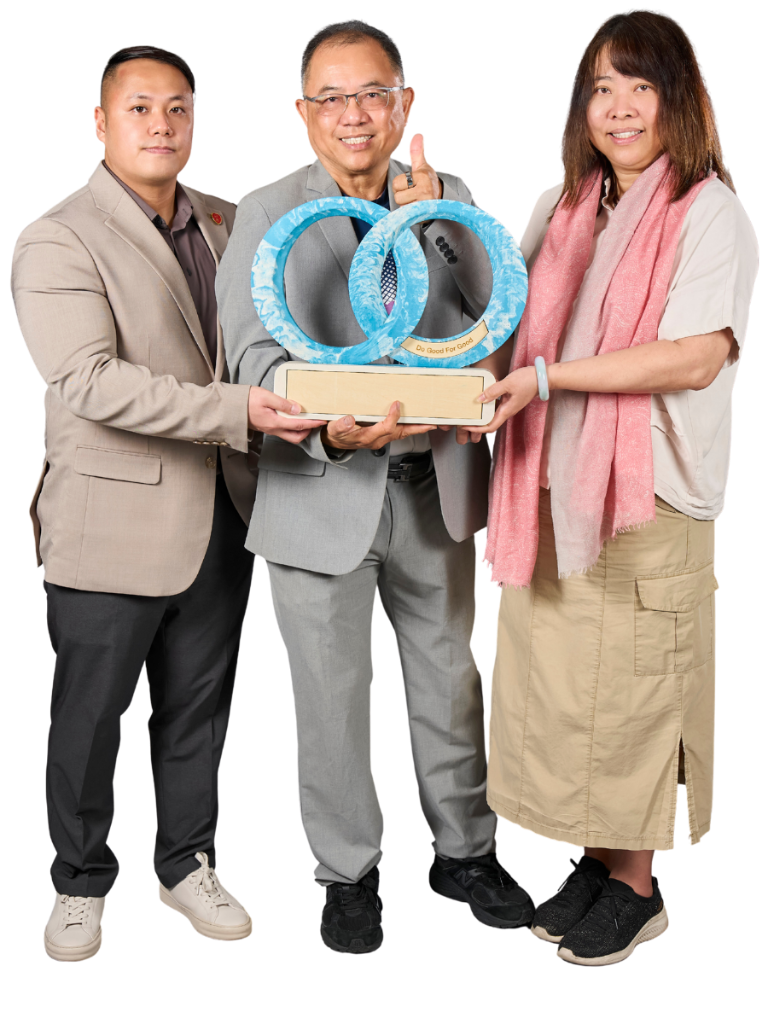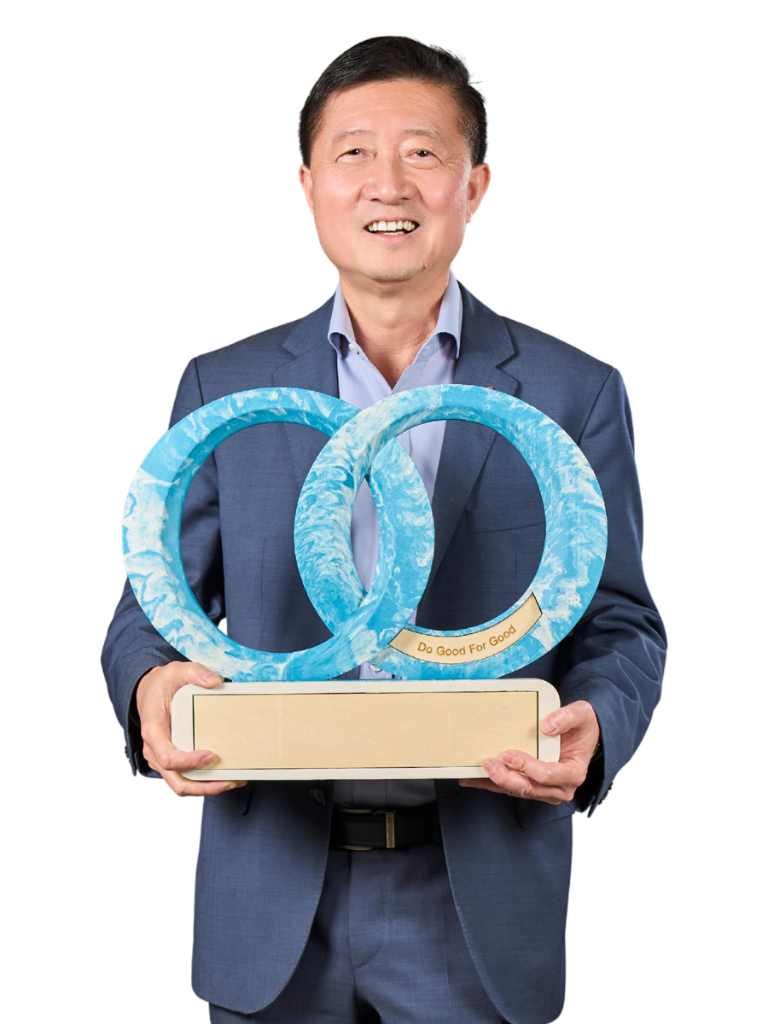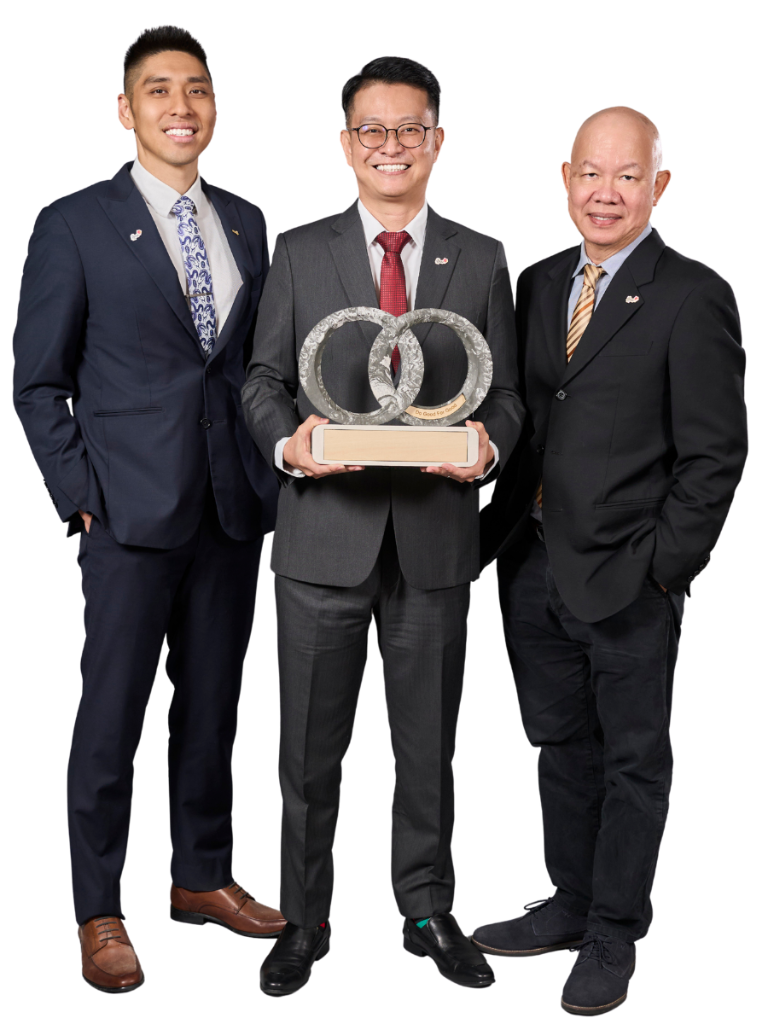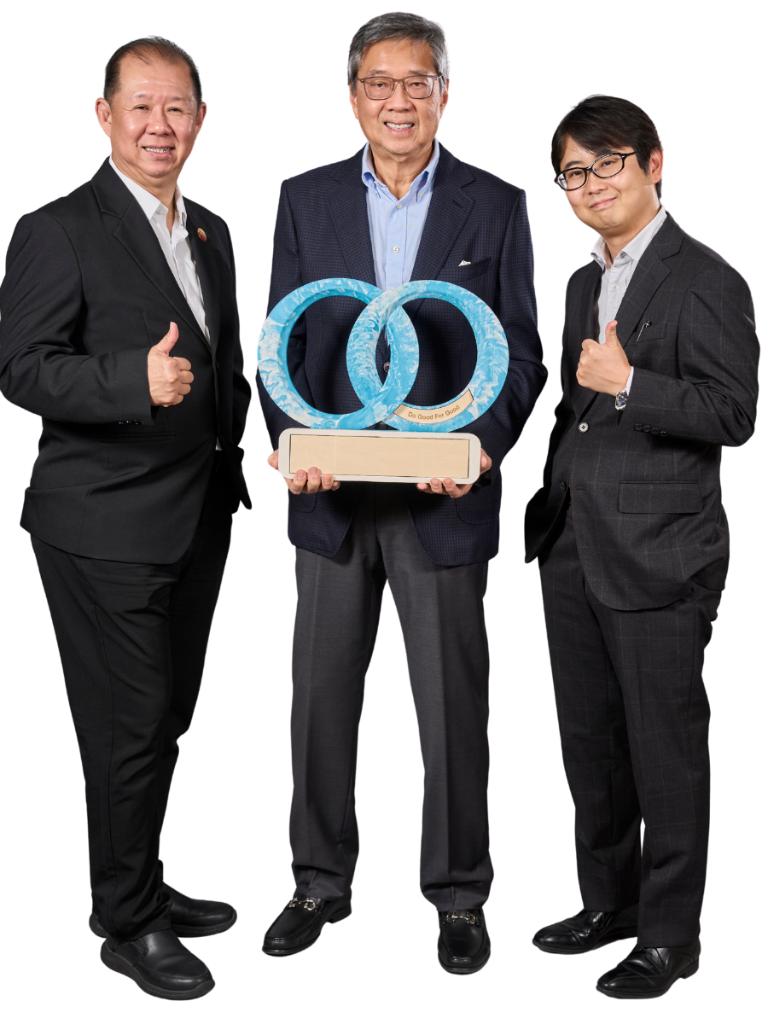


From a Toxic Tin Mine to 100 Global Resorts: The Unlikely Rise of Banyan Group
Banyan Group has transformed from a single, remediated wasteland in Phuket into a global hospitality powerhouse that proves profit and purpose are inseparable.

AI briefing: key points
- •Banyan Group reached a landmark 100-property milestone in 2025, anchored by the opening of the Mandai Rainforest Resort in Singapore.
- •The organisation maintains a robust financial performance, reporting a 59% year-on-year growth in Core Operating Profit for 2025.
- •The Group’s 'Brand for Good' framework integrates sustainability into its core business model, moving beyond peripheral CSR to enterprise-wide accountability.
- •Through the Banyan Global Foundation and the new Rewilding Banyan Fund, the Group actively funds biodiversity and community resilience projects globally.
In the mid-1980s, the landscape of Bang Tao Bay in Phuket was a far cry from the lush, serene paradise travellers know today. It was a scarred, toxic expanse—an abandoned tin mine that many deemed beyond saving. Yet, where others saw a wasteland, Ho Kwon Ping and Claire Chiang saw a canvas for a radical new vision. They did not just build a resort; they embarked on a years-long journey to heal the soil and restore the ecosystem. When they finally launched Laguna Phuket in 1994, they were not merely opening a hotel; they were pioneering a philosophy that would eventually redefine the global hospitality industry.
A Legacy Built on Restoration
That founding act of ecological stewardship became the DNA of the Banyan Group. For over three decades, the organisation has operated under the steadfast ethos of 'Embracing the Environment, Empowering People.' This is not a marketing slogan; it is a business model that has stood the test of time. By integrating sustainability into the very core of their operations, the Group has demonstrated that long-term business success is inextricably linked to the health of the destinations they call home.
This commitment to 'Leadership for Good' has propelled the Group to extraordinary heights. In late 2025, the organisation reached a monumental milestone: the opening of its 100th property, the Mandai Rainforest Resort by Banyan Tree in Singapore. This homecoming was more than a business expansion; it was a symbolic return to the Group’s roots, showcasing how a vision born in a remediated mine could scale to become a global standard-bearer for regenerative travel.

Scaling Impact with Discipline

As the Group has grown to encompass 13 brands and a presence in 24 countries, its approach to sustainability has evolved from programme-led initiatives to an enterprise-wide strategy. In 2025, the Group took a bold step by commissioning its first double materiality assessment, ensuring that its environmental and social impact is managed with the same rigour as its financial performance.
This discipline is evident in the Group’s financial trajectory. With a 25% increase in total revenue in 2025 and a 59% surge in Core Operating Profit, Banyan Group proves that purpose-driven hospitality is a highly profitable endeavour. The Group’s ability to balance rapid growth with ecosystem stewardship is a testament to the leadership of Ho Kwon Ping, who has guided the company from its inception with a philosophy of stewardship rather than mere ownership.
“Our founding ethos of Embracing the Environment, Empowering People guides how we design, develop and operate our properties — creating enduring value for people, nature and the business itself.”
Empowering Communities and Nature

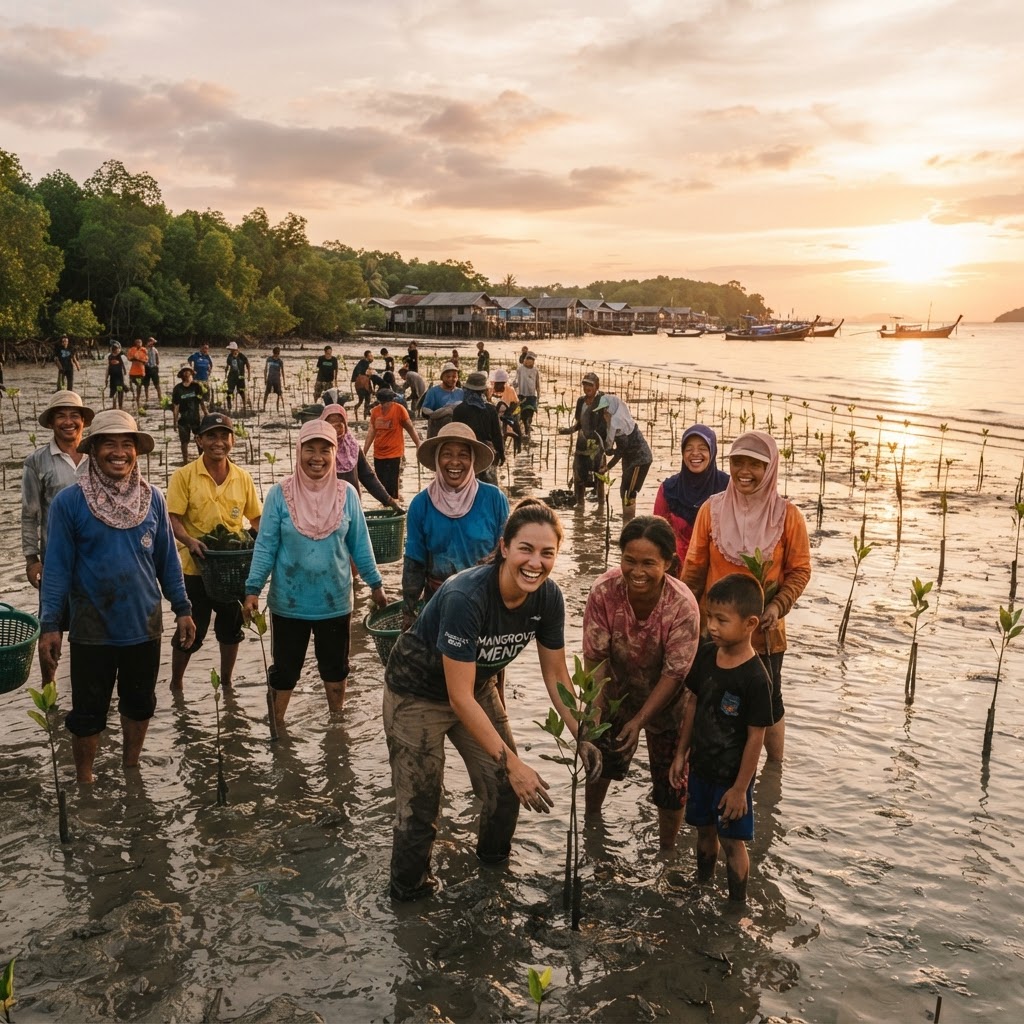
At the heart of the Group’s success are its people and the communities they serve. Through the Banyan Global Foundation, the Group translates its corporate commitments into grassroots action. Whether it is the Green Imperative Fund, which channels guest contributions into local environmental projects, or the Greater Good Grants programme, which empowers associates to lead community initiatives, the impact is tangible. In 2025 alone, 32 associate-led projects were activated, supporting thousands of beneficiaries ranging from students and farmers to women and artisans.
As Ho Kwon Ping, Founder and Executive Chairman, reflects: "Our founding ethos of Embracing the Environment, Empowering People guides how we design, develop and operate our properties — creating enduring value for people, nature and the business itself." This sentiment is echoed in the Group’s latest innovation, the Rewilding Banyan Fund, which pledges US$1 from every direct booking to restore natural habitats. It is this willingness to act ahead of the industry—to invest in the future before it becomes a requirement—that sets Banyan Group apart.

A Future of Regenerative Travel
As Banyan Group enters its next chapter, the focus is shifting from rapid expansion to deep-rooted quality and social sustainability. The Mandai Rainforest Resort, the first hotel in Singapore to receive the BCA Green Mark Super Low Energy (Platinum) Award, stands as a beacon of what is possible when design meets environmental responsibility.
From the tropical garden spas that changed the industry to the all-pool villa concept that became a global benchmark, Banyan Group has consistently proven that travel can be a force for positive change. As they look toward the future, the Group remains dedicated to creating design-led experiences that expand perspectives and foster a deeper connection between guests, cultures, and the natural world. It is a journey that began in the dirt of a tin mine and has blossomed into a global movement, proving that when you lead with purpose, the possibilities are truly endless.
Company Profile
Company
Banyan Group
UEN / Reg. No.
200003108H
Category
LEADERSHIP FOR GOOD
Country
Singapore
Year Established
1994
Staff Size
501+
Website
www.groupbanyan.com/Company LinkedIn
sg.linkedin.com/company/banyangroupDirector Profile
Full Name
Ho Kwon Ping
Title
Founder and Executive Chairman
Award Profile
Award Category
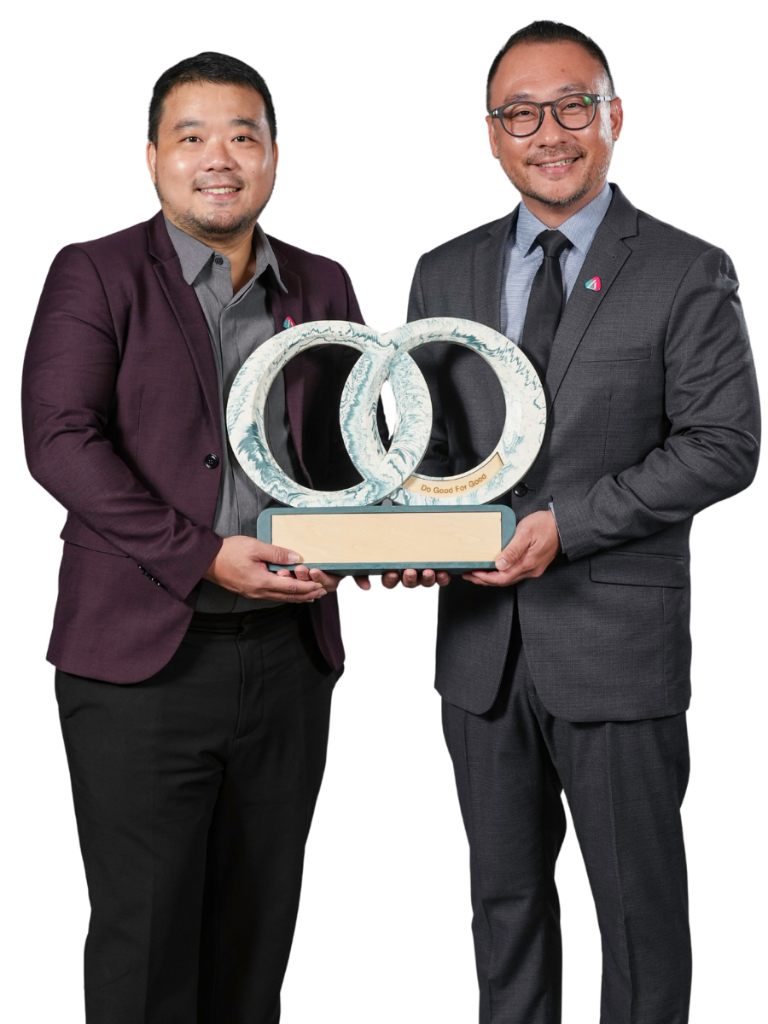
Leadership For Good
Award Tier
Champion Awardee
Award Year
2026
Award Page Link
Banyan GroupAsk Impact AI about this story
Explore more on these topics